
Visiting a Home-Based Educator: 10 Questions Worth Asking
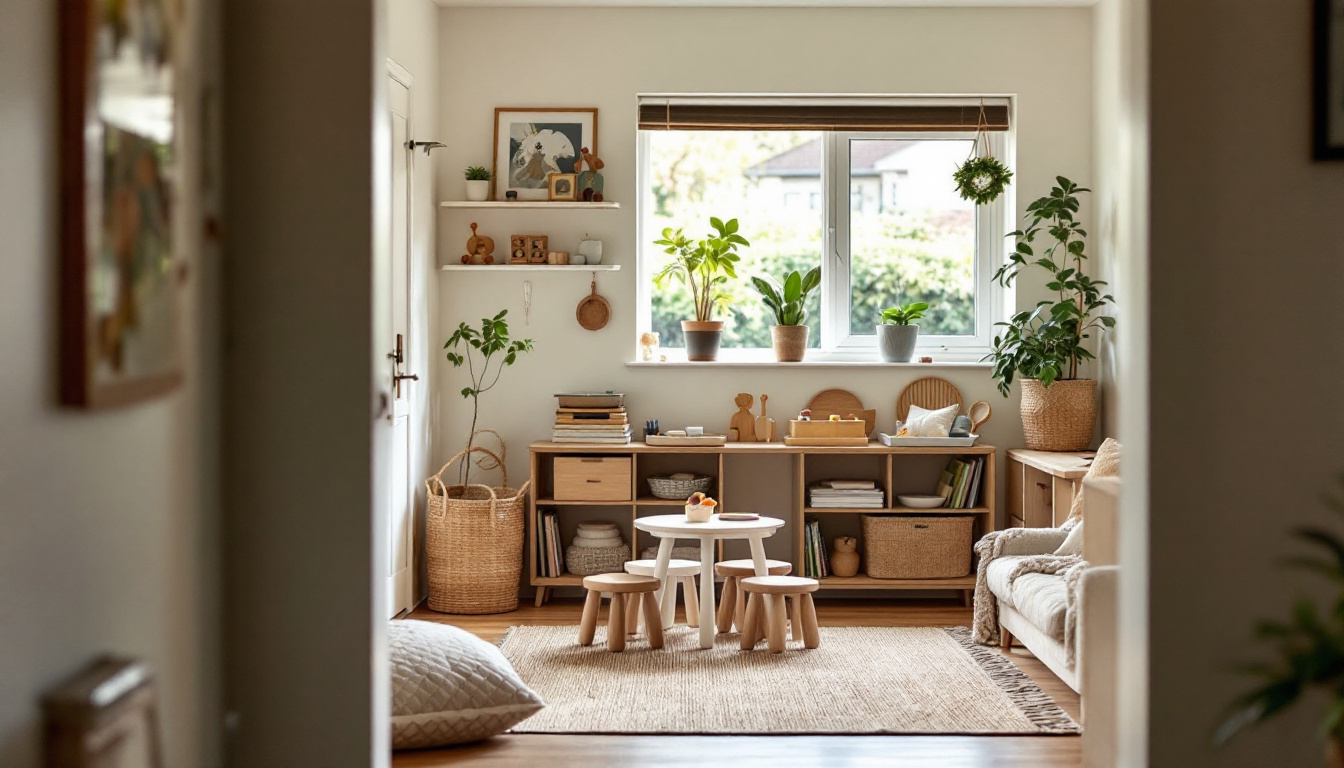
A visit to a home-based educator is a strange kind of interview. You are standing in someone's living room, your child is pulling books off a shelf, and you have maybe forty minutes to work out whether this is the person you trust with your two-year-old three days a week.
Most parents come away having asked about hours and cost and very little else. These are the questions that actually tell you something.
Before you go: what home-based care is
Worth being clear on the model first, because it changes what you are assessing.
Home-based early childhood education means a qualified educator caring for a small group of children in a home rather than a centre. At Kuddles, that is up to four children per day, aged 0 to 6, with programme coordinators and visiting teachers supporting each educator. You are therefore assessing two things at once: the person, and the organisation standing behind them.
That second half is easy to forget in someone's living room, and it is half of what you are buying. See how our in-home childcare works for the structure.
1. What does a normal day look like here?
Ask for the actual shape of a day rather than a philosophy. When do they eat, when do they sleep, when do they go out, what happens when someone is having a hard morning.
A good answer sounds specific and slightly imperfect. A rehearsed answer that never mentions anything going wrong is less reassuring than one that includes what happens when two children want the same thing.
2. How do you plan for my child specifically?
Every licensed service in New Zealand works to Te Whāriki, the national early learning curriculum, so the curriculum itself is not a point of difference. What differs is how it is applied to one child.
Listen for a process rather than a promise: how they notice what a child is drawn to, what they do with that, and who supports the planning. At Kuddles a programme coordinator and visiting teacher work with the educator on an individual programme for each child. We covered what children actually learn in home-based care in more detail if you want the background before you visit.
3. Can I see a portfolio?
This is the single most revealing question, and very few parents ask it.
Each child's learning is recorded in their own portfolio, usually as learning stories: short written observations of something the child did, what the educator saw in it, and what they plan to offer next. Ask to see one, with the family's permission and names removed.
What you are looking for is whether the entries are specific. "Ana enjoyed painting today" is a caption. "Ana spent twenty minutes mixing blue into yellow and naming the result" is an observation. The difference tells you how closely this educator is actually watching.
4. What happens when you are sick or on holiday?
Home-based care has one structural weakness compared to a centre: it is one person. A centre covers absence internally. A home-based educator cannot.
The answer should involve the organisation rather than the individual. Ask specifically what the arrangement is, whether there is a relief option, and how much notice you get. With educators across Auckland, there is usually more than one option within reach, but you want to know that before you need it, not during.
5. How many children will be here, and what ages?
At Kuddles the answer is up to four per day, aged 0 to 6, but ask for the current actual mix rather than the maximum.
Mixed ages are a genuine feature of home-based care. Older children explain things to younger ones, and the younger ones watch a model closer to their own level than an adult is. It is also worth being honest that a child who thrives on a large pool of same-age peers may do better in a centre, and a good educator will say so rather than sell you a place.
6. What does outdoor time look like?
In a centre this is a fenced playground. In a home it is a backyard, a walk, a local park, a trip to the shops.
Ask what happens in an Auckland winter, because that is when the difference shows. You are listening for a real routine rather than "we go out when it is fine".
7. How do you handle food?
Who provides it, what a normal lunch looks like, how allergies are managed, and whether children are involved in preparing anything. Baking and cooking are common in home-based settings and they are genuine early maths and language, not just an activity to fill an hour.
8. How will you tell me about my child's day?
Ask for the mechanism, not the intention. A daily conversation at pick-up, a written note, a photo, an app: any of these works, but a vague answer usually means it happens inconsistently.
Progress can be documented in several ways, including electronically through an application only you and the service can see. Ask which one this educator actually uses.
9. What is your background?
Qualification, how long they have been doing this, why they do it, and what ages they most enjoy working with. Kuddles educators are ECE-qualified, so the qualification question is answered, but the "why" and "which ages" questions are where you learn who they are.
10. Can we come back?
The most useful visit is the second one, at a different time of day. A morning visit and an afternoon visit show you different things, and an educator confident in their practice will suggest it before you do.
The questions that tell you less than you think
Three come up at almost every visit and none of them separate a good educator from an average one, because every educator has a prepared answer.
"What is your philosophy?" Everyone says child-led, play-based and nurturing, and they are all telling the truth as they see it. Question 1 and question 3 get at the same thing through evidence rather than description, which is why they are more useful.
"Do you do learning activities?" In this age group almost everything is a learning activity, so the answer is invariably yes. The useful version is asking what they did yesterday and what they plan to do with it next.
"Is it safe?" No educator will say no, and licensed services are regulated regardless. If safety is your concern, the more revealing questions are about supervision during transitions, what happens on outings, and question 4 about absence cover.
What to watch while you are asking
Half the information in a visit is not verbal.
Look at where the children's things are. Materials at child height, reachable without asking, suggests a room organised around children rather than tidied for visitors. Look at what is on the walls: children's own work at their eye level says something different from laminated posters.
Watch how the educator responds to interruptions while you are talking. Your visit is not the priority in that room, and it should not be. An educator who breaks off mid-sentence to deal with something is showing you exactly what you want to see.
And watch your own child. Where they go, whether they settle, whether they look back at you. It is not conclusive on one visit, but it is information.
Frequently asked questions
How many children does a home-based educator look after?
At Kuddles, up to four children per day, aged 0 to 6 years. Ask any educator you visit for their current mix of ages rather than the maximum, since that is what your child will actually experience.
Are home-based educators qualified?
Kuddles educators are ECE-qualified, and each is supported by programme coordinators and visiting teachers who help plan and review each child's programme. Ask about both the educator's own qualification and the support structure behind them.
What happens if my home-based educator is unwell?
This is worth asking directly before you enrol, because a single educator cannot cover their own absence the way a centre can. Ask what the arrangement is and how much notice you would get.
Does home-based childcare follow a curriculum?
Yes. All licensed early childhood services in New Zealand work to Te Whāriki, the national early learning curriculum. What differs between services is the local curriculum each one builds on top of it, and in a home that is grounded in that household and neighbourhood.
How many educators should I visit before deciding?
There is no correct number, but more than one is worth the time. Home-based care is a close relationship, and comparing two educators tells you more about what you are looking for than visiting one and hoping.
Next step
We have home-based educators across Auckland with spaces available, and the practical first step is usually finding the ones near you and arranging a visit.
Arrange a visit with an educator near you and we will point you to the closest Kuddles homes with space.