
What Children Learn in Home-Based Childcare: Te Whāriki at Home
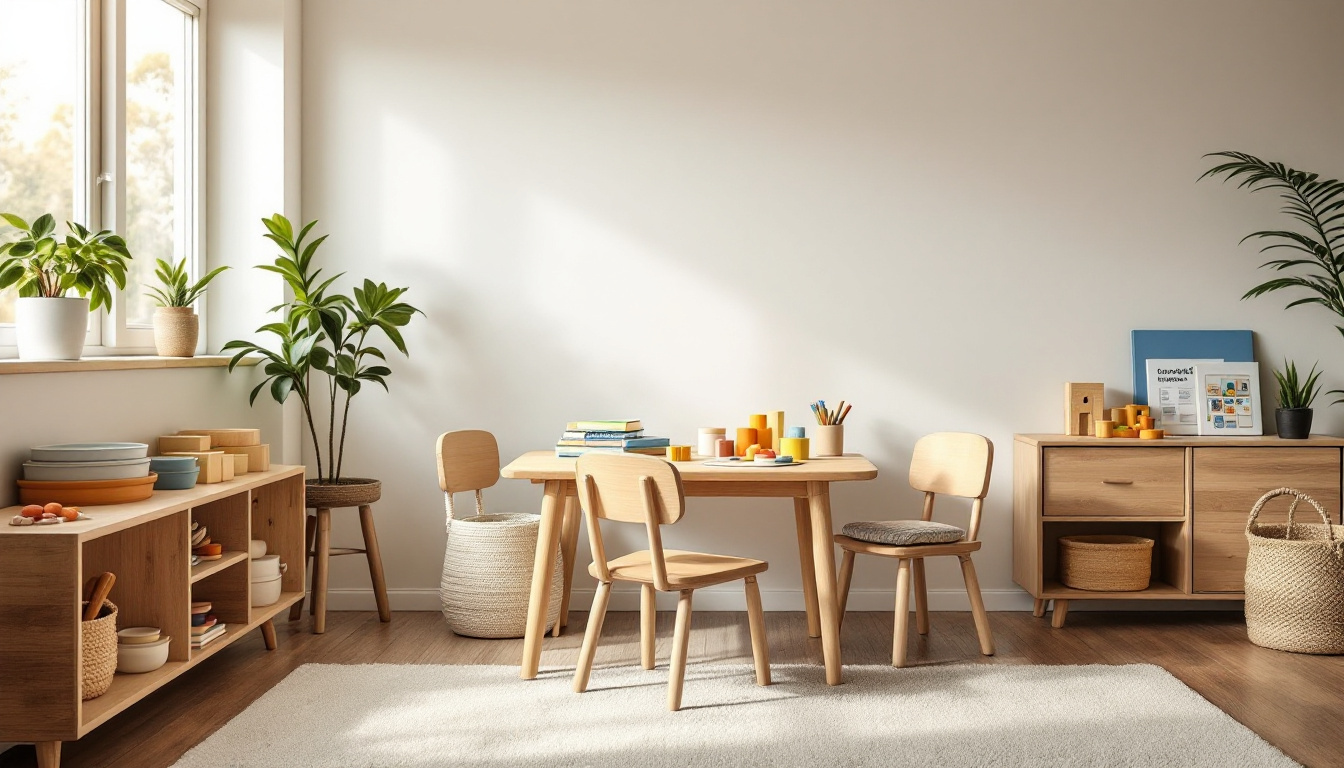
Parents comparing a home-based educator against a centre usually ask about ratios, hours and cost first. The question that comes later, and matters more, is whether a child in someone's living room is actually learning anything, or just being looked after until five o'clock.
The short answer is that home-based services in New Zealand follow the same national curriculum as centres. What differs is how that curriculum shows up through the day.
The curriculum is the same document
Every licensed early childhood service in New Zealand, home-based or centre-based, works to Te Whāriki, the national early learning curriculum. The Ministry of Education describes it as a play-based, bicultural curriculum organised around a framework of principles, strands, goals and learning outcomes, covering everything from science, maths and literacy through to social, emotional and cultural development.
The name is the clearest explanation of the idea. A whāriki is a woven mat, and the metaphor is that all the parts of a child's learning and development are woven together rather than taught as separate subjects. A morning spent baking is not a cooking lesson. It is counting, measuring, sequencing, turn-taking, fine motor control and language, all at once.
That is what in-home early childhood education is delivering against. Same framework, same expectations, different setting.
- Te Whāriki applies to home-based and centre-based services alike
- Play-based and bicultural, organised around principles, strands, goals and outcomes
- Learning is woven together rather than split into subjects
Local curriculum: where home-based genuinely differs
The part of Te Whāriki most parents have never heard of is the one that matters most here.
Each early childhood service develops its own local curriculum. The Ministry describes this as being based on where you live, the history of the land and people, and the children and families who attend. Two services following the same national curriculum can therefore look quite different from each other, and both are doing it correctly.
In a centre, the local curriculum is built around a room of children and a teaching team. In a home, it is built around a much smaller group and the actual life of that household and neighbourhood. The walk to the letterbox, the vegetable garden, the local playground, the weather on the washing line: these are curriculum, not filler, because the curriculum is explicitly meant to be grounded in place.
This is also why home-based programmes are genuinely individual rather than nominally individual. At Kuddles each educator cares for up to four children per day, aged 0 to 6, and programme coordinators and visiting teachers build an educational programme for each child based on that child's interests, guided by Te Whāriki. With four children rather than a roomful, an educator can follow one child's fixation on trucks for a fortnight without it derailing anyone else's week.
- Every service builds a local curriculum on top of the national one
- In a home it is grounded in that household and neighbourhood
- Up to four children per educator, so the programme can genuinely follow the child
What a learning day actually looks like
The honest version is that it does not look like a lesson, and it is not supposed to.
Children in home-based care dance, listen to music, sing, paint, bake and garden. They work with blocks, play dough, puzzles and sensory materials. From the outside that reads as play, which it is. What makes it curriculum is that an educator is watching for what each activity is developing, and choosing what to offer next on that basis.
Painting builds grip strength, colour recognition and the physical control that later becomes handwriting. Baking is early maths in disguise. Gardening is the long game of cause and effect, patience and the beginnings of science. Sorting blocks by size is the same cognitive move that underpins mathematics later on.
The Ministry describes the process plainly: educators observe what your child can do and is interested in, then plan to support their learning and development from there. That is the whole method. The skill is in the noticing.
How you know it is happening
This is the fair question, and the answer is documentation.
Educators notice, recognise and respond to learning, and record each child's journey in their own portfolio. Nationally, the Ministry notes that progress can be documented as stories written by teachers or by families, as photographs, as the child's own artwork, or electronically through an application that only you and the service can see.
A learning story is the usual format. Rather than a checklist of milestones ticked off, it is a short written account of something the child did, what the educator saw in it, and what they plan to offer next. Reading a term's worth of them back is the clearest picture you will get of how a child is actually developing.
Families are meant to be part of this, not just recipients of it. The Ministry is explicit that teachers and families work together, and you can contribute to your own child's record. If you want to know what to ask when you meet our educators, asking to see a portfolio and how they use it will tell you more than almost any other question.
- Learning is recorded in an individual portfolio, usually as learning stories
- A learning story is an observation plus what the educator plans next
- Families can contribute; ask to see a portfolio when you visit
Why the small group changes what is possible
Ratio is usually presented as a safety number. It is also a curriculum number, and that is the less obvious half of it.
Following a child's interest requires two things an educator can only give in a small group: sustained attention on one child at a time, and the freedom to change the plan. With four children aged 0 to 6, an educator can spend twenty unbroken minutes alongside one child working out how a ramp makes a car go faster, and that is where the noticing happens. In a larger group the same educator is necessarily managing the room, and observation becomes something done in snatches.
The mixed ages matter as well, and they are a feature rather than a compromise. A four-year-old explaining something to a two-year-old is doing more cognitive work than a four-year-old being told the same thing by an adult, and the younger child is watching a model who is closer to their own level. In a centre children are usually grouped by age, so this happens less.
The trade-off is honest: fewer children also means fewer peers of exactly the same age, and some children thrive on a bigger social pool. That is worth weighing rather than glossing over, and it is one of the real differences between the two settings.
What this means when you are choosing care
If you are comparing options, the curriculum is not a point of difference. Every licensed service is working to the same one. The things worth comparing are how the local curriculum is built, how many children the educator is responsible for, how learning is documented, and whether you can actually see that documentation.
Cost, hours and location matter too, and there is government funding support available including 20 hours of ECE for children aged 3 and up, which we cover separately.
Frequently asked questions
What does Te Whāriki mean?
Whāriki is the Māori word for a woven mat. The curriculum uses the image to convey that the different parts of a child's learning and development are woven together rather than taught separately. It is New Zealand's national early learning curriculum.
Does home-based childcare follow the same curriculum as a daycare centre?
Yes. Te Whāriki applies to all licensed early childhood services in New Zealand, home-based and centre-based. What differs is the local curriculum each service builds on top of it, and the setting it happens in.
Is Te Whāriki play-based?
Yes. The Ministry of Education describes it as a play-based curriculum, covering learning areas including science, maths and literacy alongside social, emotional and cultural development. Learning happens through play rather than through formal instruction.
How do I know my child is learning and not just being minded?
Ask to see the documentation. Each child has a portfolio recording their learning journey, usually as learning stories that describe what the child did, what the educator observed in it, and what comes next. A term of these shows progress far better than a milestone checklist.
How many children is a home-based educator responsible for?
At Kuddles, each educator cares for up to four children per day, aged 0 to 6 years. The small group is the reason an individual programme is workable rather than aspirational.
Next step
The most reliable way to judge any of this is to meet an educator, see the space, and ask how they plan and record learning. We have educators across Auckland, and finding one close to home is usually the first practical step.
Talk to us about finding an educator near you and we will point you to the nearest Kuddles home with space available.
Curriculum information in this article is drawn from the Ministry of Education's Te Whāriki guidance for families.