
What Is Play Based Learning, and Is My Child Actually Learning?
Hannah had the afternoon planned carefully. Leave work early, beat the traffic across Auckland, and arrive at pick up in time to see what her daughter had actually been doing all day. She had been wondering about that for weeks.
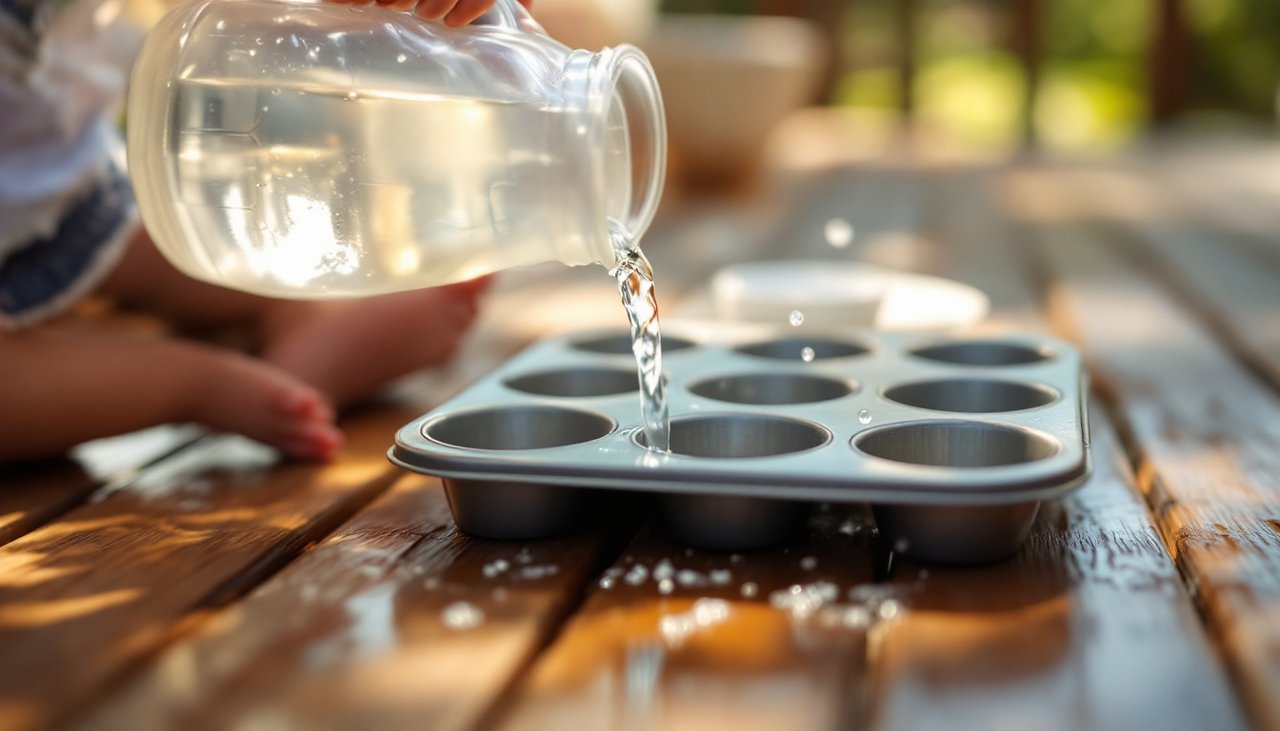
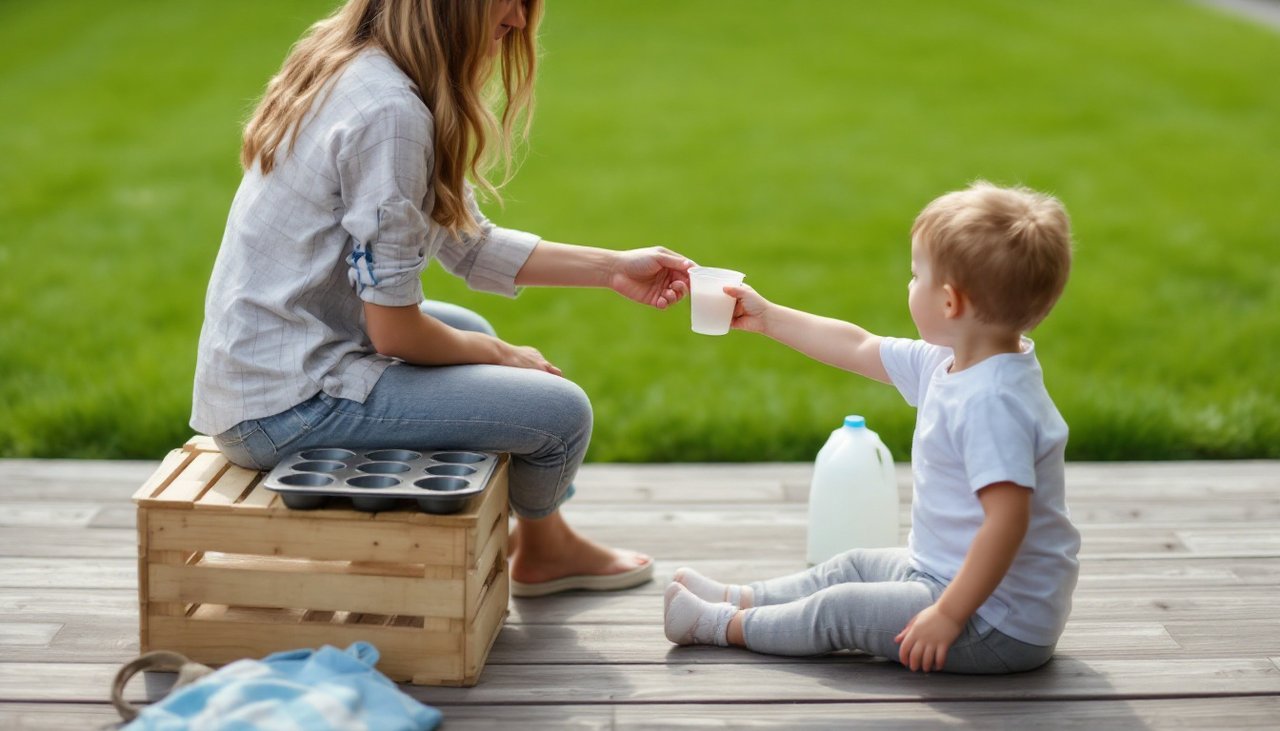
What she saw, through the ranch slider, was her toddler sitting in a patch of sun on the deck, pouring water from a jug into a muffin tray. Then tipping it out. Then pouring it again. The educator sat beside her on an upturned crate, saying very little, passing over a smaller cup when the big jug got too heavy.
Hannah smiled, waved, and felt her stomach drop a little.
In the car she did the comparing that parents do. Her sister's boy, about the same age, went to a place with a printed weekly plan on the wall and a folder of worksheets that came home every Friday. He could already point to letters. Her own daughter had spent the afternoon, as far as Hannah could tell, getting wet.
That night she typed a message to the educator, deleted it, and typed it again. It felt rude to ask. It also felt like the only question that mattered: is she learning anything, or is she just playing?
She sent it before she could change her mind, then lay awake wondering whether she had just insulted the person who looked after her child.
The reply came the next morning, and it was not what she expected. There was no defensiveness and no brochure language. There was only an invitation: “Come a little early on Thursday. I will show you what the jug was about.”
So Hannah came early. She sat on the same upturned crate, a bit sheepish, with a cup of tea going cold beside her. And for the first time she stopped looking at what her daughter was holding, and started watching what her daughter was working out.
Hannah is not one particular parent. She is a composite of a conversation that home-based educators have with families again and again, and her question is a fair one. If you have ever stood at a doorway wondering the same thing, the rest of her Thursday is for you.
What Hannah Saw on Thursday
The educator did not give a speech. She simply narrated, quietly, what was happening in front of them.
The first pour went everywhere. The jug was too full and too heavy, so the water rushed out and flooded three cups of the muffin tray at once. On the second try, Hannah's daughter tipped more slowly. On the third, she stopped before the cup overflowed, looked at it, and added a tiny bit more. Nobody had told her to do that.
“She is estimating,” the educator said. “She is working out how much fits, and she is adjusting her wrist to match. Last week she could not stop the pour in time. This week she can.”
Then came the words. Full. Empty. Heavy. More. Too much. The educator dropped each one into the moment it belonged to, and a few minutes later the toddler was using two of them herself.
This is what play based learning looks like up close. It is an approach to early education where children build skills and understanding through play that they choose and lead, while an adult who knows them well watches, joins in, and extends the thinking at the right moment. The play is the method. The learning is the point.
Play is not the break between the learning. For a young child, play is how the learning gets done.
If you are already curious about seeing this kind of day for yourself, you can find a Kuddles educator near you across Auckland and ask to visit. Each educator cares for a small group, so the earlier you start the conversation, the more choice you have.
Why Pouring Water Counts as Learning
Hannah's next question was the obvious one. It looked lovely, but was it part of any actual plan?
It was. Every licensed early learning service in New Zealand, whether it is a kindergarten, a centre, or a home-based service, works from the same national curriculum, Te Whāriki. It does not hand educators a list of worksheets to complete. Instead it describes five strands of learning: Wellbeing, Belonging, Contribution, Communication, and Exploration. Educators are expected to notice what a child is interested in, recognise the learning inside it, and respond in a way that takes it further.
The Ministry of Education explains this in plain language for families in its guide to what your child learns at early learning services, and it is worth ten minutes of any parent's time.
Seen through that lens, the jug was doing a lot of work. Estimating how much fits is early maths. Controlling a heavy pour is the same hand and wrist strength a child will later need to hold a pencil. Trying again after a spill is persistence. Hearing “full” and “empty” at the exact moment they are true is how vocabulary sticks.
None of it was accidental. The educator had noticed, days earlier, that Hannah's daughter kept carrying her drink bottle to the pot plants. So she put a jug, a tray, and some cups on the deck and waited to see what happened.
The Worksheet Question That Would Not Go Away
Hannah still had her nephew's folder of worksheets in the back of her mind, and she said so. To her credit, the educator did not wave it away.
Structured activities have a place. Plenty of children enjoy them, and there is nothing wrong with a child who can point to letters early. The honest difference is in what each approach asks of a very young child. A worksheet asks for a right answer. Play asks a child to come up with the question, test it, get it wrong, and try something else. Both can sit in the same week.
What surprised Hannah was how much of the “school stuff” was already hiding in her daughter's day. Counting happened on the stairs and while setting out plates for lunch. Letters turned up in favourite picture books and in the names written on each child's bag hook. Science was the ice that melted on the deck. Nobody was skipping literacy and numeracy. They were arriving inside things her daughter already cared about, which is exactly when a small child pays the most attention.
It is also worth being clear about what play based learning is not. It is not children left to entertain themselves while an adult supervises from across the room. The educator's part is active and skilled: setting up the environment, choosing when to step in and when to hold back, asking the open question, and keeping track of where each child is heading. That is why the framework behind the educator matters. Kuddles is a licensed home-based service, its educators are police vetted, and the same curriculum guides their days as it does in any centre.
What Changes When the Group Is Small
On the drive home, Hannah realised something else about that Thursday. The educator had sat beside one child for a full ten minutes, noticed a change from the week before, and remembered what that child had been doing with her drink bottle days earlier.
That is hard to do in a big room. It is much easier in a home.
In home-based early childhood education, an educator cares for a small group in their own house. At Kuddles, each educator has a maximum of 4 children. Across the network, care is offered for children aged 0 to 6, and the ages each educator takes vary from home to home. With a group that size, there is room to follow one child's idea all the way to the end, rather than packing it away because the timetable says it is time for something else.
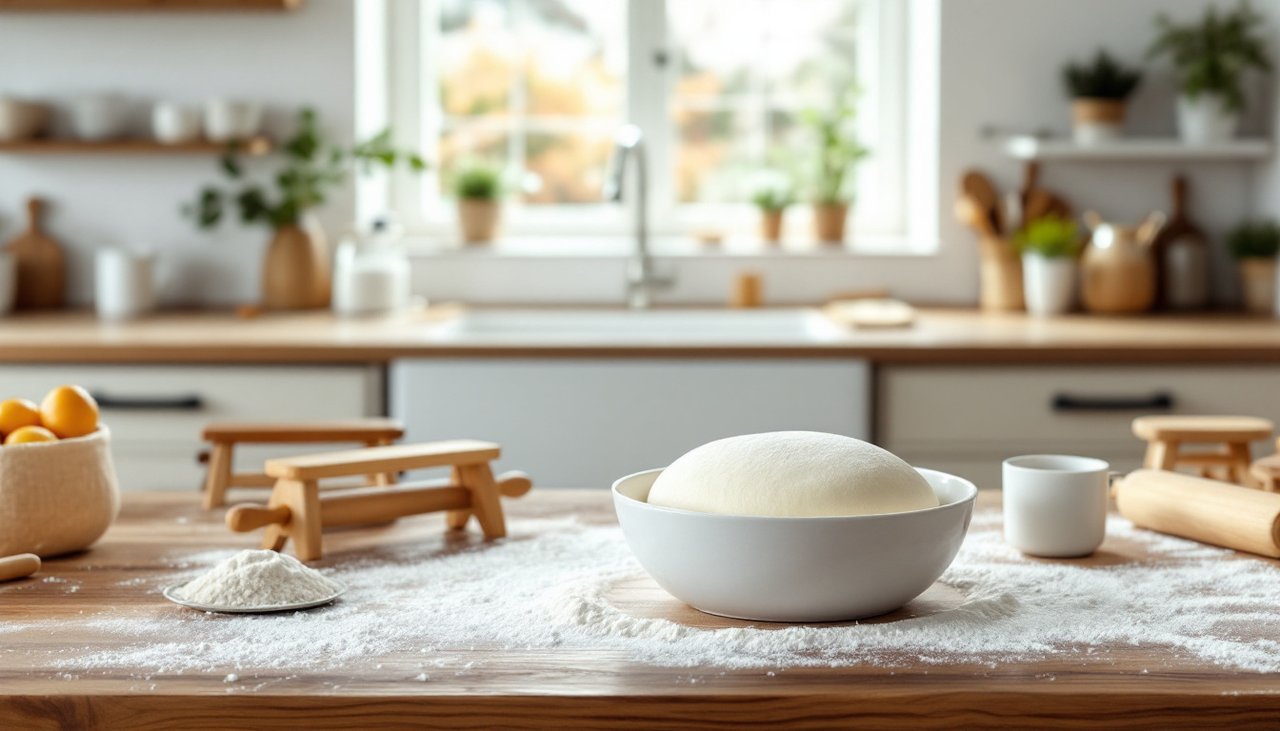
The setting helps too. A real home is full of things worth exploring: a kitchen where bread dough rises, a garden with snails after rain, a washing line that needs pegs sorted by colour. And because the group usually spans different ages, the younger children watch and copy the older ones, while the older ones practise patience and explaining, which are skills in their own right.
This is the model Kuddles has run since 2008. You can read more about how home-based childcare in Auckland works, including how educators are supported and how funding such as 20 Hours ECE fits in.
How Hannah Learned to Read a Day of Play
Hannah did not walk away an expert. She walked away with a new habit. Instead of asking “what did you do today?” at pick up, and getting a shrug from her daughter, she started asking the educator better questions and looking for different things.

These are the ones she found most useful, and they work in any play based setting:
- What has my child been coming back to this week, and how are you building on it?
- Can you tell me about a moment when they got stuck, and what they did next?
- What new words or ideas have you been adding into their play?
- How do you record what they are learning, and how often will I see it?
- Is there something simple I can set up at home that follows the same interest?
That last question turned out to be the easiest win. Play based learning at home does not need special toys. It needs a little time and something open ended: a bowl of water and some cups, a basket of pegs, cardboard boxes, a patch of dirt and a spoon. The trick the educator passed on was to say what you see rather than quiz. “You filled that right to the top” does more than “what colour is the cup?”, because it gives a child language for something they have just worked out themselves.
A few weeks on, the conversations at pick up sounded different. Hannah was asking about what had held attention that week, what had been tricky, and what she could try at home over the weekend. The worksheets never did come home. Hannah found she had stopped waiting for them.
Where the Story Goes From Here
If you recognise yourself in Hannah, the most useful next step is not more reading. It is ten minutes on an upturned crate, watching an educator at work with a small group and asking your own version of her question.
Kuddles currently has home-based educators in Millwater, Silverdale, Mount Roskill, Epsom, Papatoetoe, Takanini, and Flat Bush. Because each educator takes no more than 4 children, a space in any one suburb is limited by design. If you are planning a return to work in the coming months, it is worth getting in touch now rather than the week before you need care.
Send us an enquiry today and tell us your suburb, your child's age, and the days you need. We will put you in touch with an educator close to you so you can visit, see a day of play for yourself, and ask every question on your list. You can also call us on 027 343 8077.
Frequently Asked Questions
What is play based learning in simple terms?
Play based learning is an approach to early education where children develop skills and understanding through play they choose and lead. A trained adult sets up the environment, observes, and extends the learning by adding language, questions, and new challenges at the right moment.
Is play based learning enough to get my child ready for school?
Play based learning is the approach behind Te Whāriki, the national early childhood curriculum used by every licensed service in New Zealand. Early literacy and numeracy are woven into play through stories, counting, sorting, and conversation, alongside the social skills, confidence, and persistence that help children settle into a classroom.
How is play based learning different in a home-based setting?
The curriculum is the same, but the group is much smaller. At Kuddles each educator cares for a maximum of 4 children in their own home, which gives the educator more time to notice each child's interests and follow them through everyday activities such as cooking, gardening, and outings.
What does the educator actually do during play?
The educator plans the space and materials around what the children are interested in, then watches closely and joins in with purpose. They introduce new words, ask open questions, step back when a child is concentrating, and record what each child is learning so it can be shared with parents.
How can I support play based learning at home?
Offer simple, open ended materials such as water and cups, boxes, pegs, or playdough, and give your child unhurried time with them. Describe what you see them doing rather than testing them, and follow their interest for as long as it lasts.